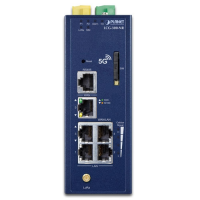
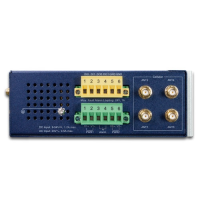
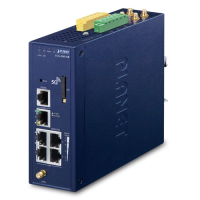
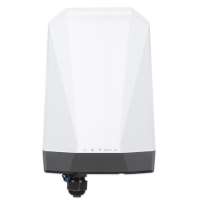
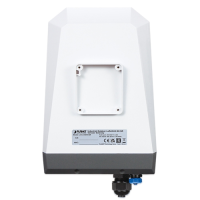
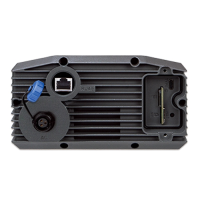
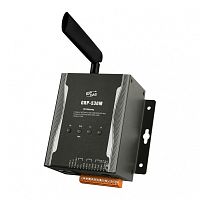
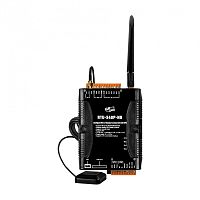
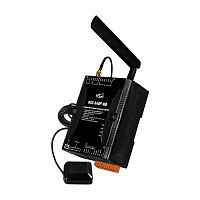
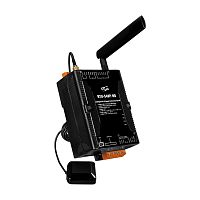
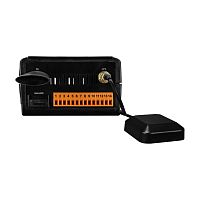
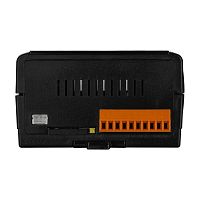
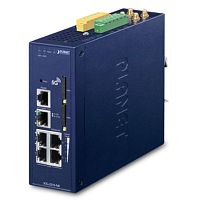
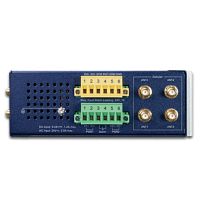
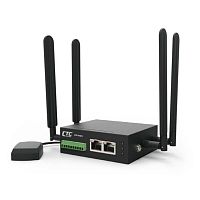
LCG-300-NR-EU
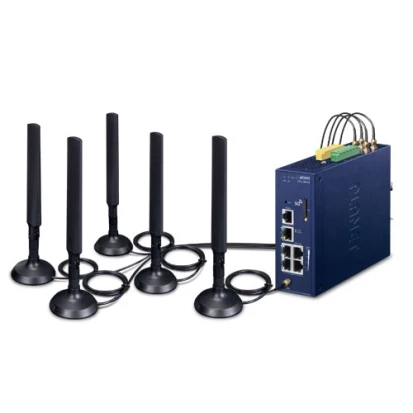
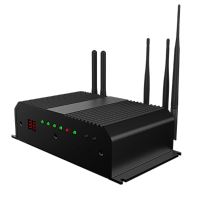
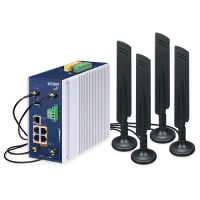
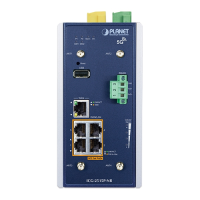
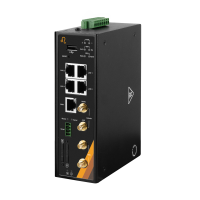
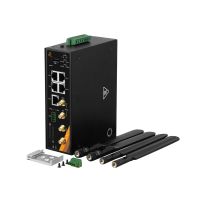
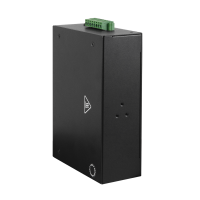
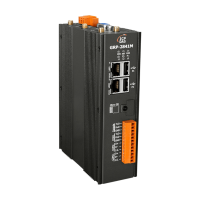
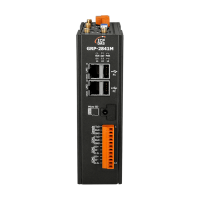
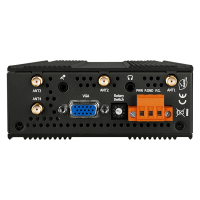
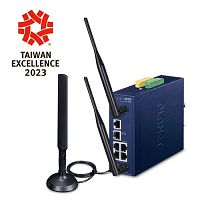
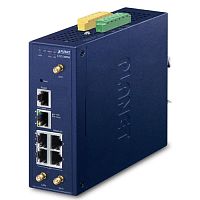
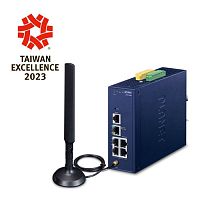
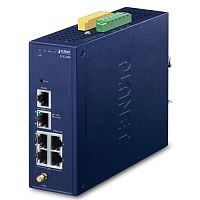
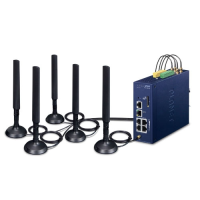
The Planet LCG-300-NR-EU is an industrial 5G NR + LoRaWAN convergence gateway that pairs a 5G NR (NSA/SA) WAN uplink — up to 2.4 Gbps downlink / 500 Mbps uplink — with an 8-channel LoRaWAN EU868 network server supporting up to 300 end nodes, in one DIN-rail unit rated −40 °C to +75 °C. LoRaWAN sensitivity of −142.5 dBm and 27 dBm transmit power reach sensors up to 15 km line-of-sight.
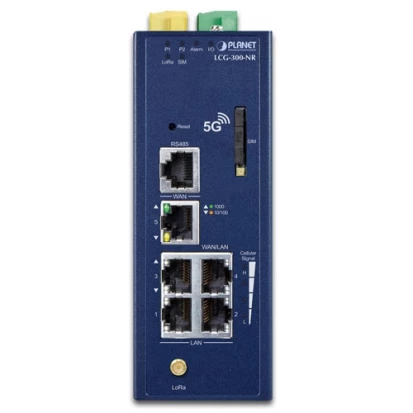
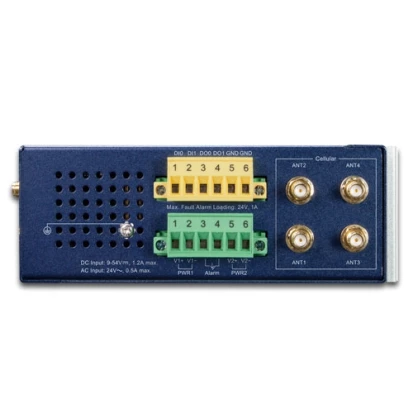
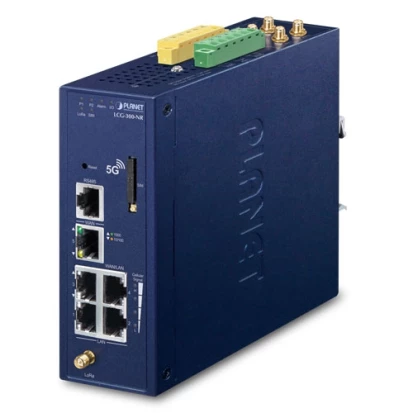
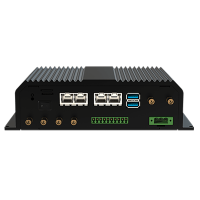
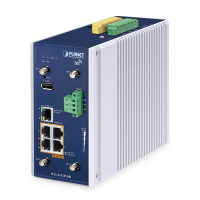
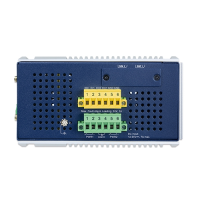
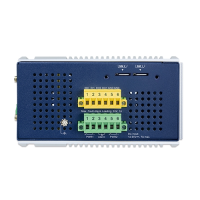
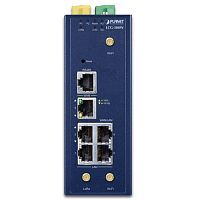
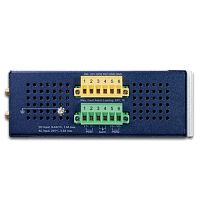
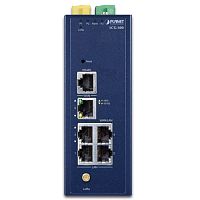
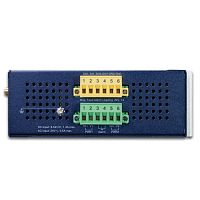
Five GbE ports (3× LAN + 1× LAN/WAN + 1× WAN), an RS-485 port with Modbus RTU-to-TCP bridging, and 2× DI + 2× DO make the gateway a router, LoRaWAN base station, Ethernet switch and basic RTU in a single 50 × 135 × 135 mm, 924 g device drawing a maximum of 11.6 W from a 9–54 V DC supply. A full VPN stack (IPSec AES-256, GRE, SSL, PPTP, L2TP) secures the WAN path.
Key Features
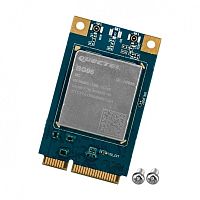
- 5G NR NSA/SA with LTE fallback: 2.4 Gbps DL / 500 Mbps UL on 5G; automatic fallback to LTE-FDD/TDD (1 Gbps/200 Mbps) and WCDMA; integrated GNSS (GPS/GLONASS/BeiDou/Galileo/QZSS).
- LoRaWAN EU868, 8 demodulation paths: Up to 300 end nodes; simultaneous reception on 8 channels eliminates packet collisions in dense sensor networks; −142.5 dBm sensitivity, 27 dBm TX.
- 5× GbE with VLAN and QoS: Configurable 3+1+1 LAN/WAN — router, base station and switch consolidated in one field-cabinet device.
- RS-485 Modbus gateway: Modbus RTU instruments (meters, sensors, relays) appear as Modbus TCP devices to SCADA — no separate protocol converter; up to 32 slaves per bus.
- 2× DI + 2× DO: Monitors door, generator and alarm contacts; switches pumps, sirens and lighting via SNMP, SMS or timer — basic RTU functionality included.
- Full VPN stack: IPSec IKEv1/v2 (AES-128/256), GRE, SSL, PPTP, L2TP — meets IEC 62443/NIS2 encryption requirements for WAN-connected field devices.
- 9–54 V DC, max 11.6 W, −40 °C to +75 °C, IP30: Solar/battery-site compatible, no heated enclosure needed anywhere in Europe.
Connectivity Architecture
| Layer | Technology | Specification |
|---|---|---|
| WAN (primary) | 5G NR NSA/SA | 2.4 Gbps DL / 500 Mbps UL |
| WAN (fallback) | 4G LTE + WCDMA | 1 Gbps DL / 200 Mbps UL |
| LPWAN | LoRaWAN EU868 | 8 paths, 300 nodes, −142.5 dBm, 27 dBm TX |
| LAN | 5× GbE | 3× LAN + 1× LAN/WAN + 1× WAN, VLAN, QoS |
| Serial | RS-485 (RJ45) | Modbus RTU ↔ Modbus TCP gateway |
| I/O | 2× DI + 2× DO | Status monitoring + remote control |
| Security | VPN | IPSec/GRE/SSL/PPTP/L2TP, AES-256 |
Application Use Cases
Smart Grid Substation Monitoring
LoRaWAN serves temperature, partial-discharge and SF6 sensors; RS-485 Modbus polls legacy meters and relays; the 5G uplink with IPSec VPN carries everything to the utility control centre — at under 12 W.
Environmental and Smart City Sensor Networks
Consolidates up to 300 LoRaWAN air-quality, fill-level and infrastructure sensors within a 15 km radius and forwards data to AWS IoT, Azure IoT Hub or a private platform over 5G, with GNSS auto-locating each gateway.
Oil and Gas RTU Modernisation
Replaces ageing 2G/3G wellhead modems in one device: Modbus gateway for legacy instruments, DI/DO for alarm contacts, IPSec tunnel continuity to SCADA, and −40 °C to +75 °C for outdoor pipeline cabinets.
Precision Agriculture
Covers fields 5–15 km out with LoRaWAN soil and weather sensors, uplinks to an agri-IoT platform via 5G/LTE, and switches irrigation valves directly from the relay outputs — no PLC required.
Why Choose the LCG-300-NR-EU
Four devices in one DIN-rail unit. 5G router + LoRaWAN base station + GbE switch + serial RTU consolidated into 50 × 135 × 135 mm — less cabinet space, one power feed, one firmware to maintain, with savings multiplying across every site in a rollout.
−40 °C without a heater. Most LoRaWAN gateways are indoor-rated to 0 °C or −10 °C; the LCG-300-NR-EU's −40 °C to +75 °C rating eliminates heated enclosures at every European outdoor site.
8 channels is a reliability requirement, not a luxury. Single-channel gateways lose 30–50% of packets in dense networks when sensors transmit concurrently; 8 parallel demodulation paths make 100+ sensors per gateway operationally dependable.
Frequently Asked Questions
What 5G modes does the LCG-300-NR-EU support?
5G NR in both NSA and SA modes on the European sub-6 GHz band plan, with automatic fallback to LTE-FDD/TDD and WCDMA. Contact IPC2U for the specific band list for your carrier.
How many LoRaWAN sensors can it serve?
Up to 300 end nodes on the built-in EU868 network server, with 8 parallel demodulation paths preventing collisions. Packets can also be forwarded to external servers such as The Things Network or AWS IoT Core for LoRaWAN.
What VPN protocols are available?
IPSec IKEv1/IKEv2 (DES/3DES/AES-128/AES-256), GRE, SSL VPN, PPTP and L2TP, with multiple simultaneous tunnels. AES-256 IPSec is recommended for IEC 62443-3-3 compliance.
What are the power requirements?
9–54 V DC input with a maximum draw of 11.6 W at full load — compatible with 12/24/48 V systems and solar-charged battery installations at remote sites.
Can it be installed outdoors?
The IP30-rated gateway must sit inside a sealed field cabinet or IP54/IP65 enclosure; its −40 °C to +75 °C rating then covers the full annual temperature cycle of European outdoor cabinets without heating.
Produktanfrage